
A useful inspection follows the same room order, captures dated evidence, separates safety and maintenance from cosmetic condition, creates assigned follow-up work, and respects notice and entry requirements.
Key takeaways
- Use a consistent template and photo order.
- Inspect systems, not just surfaces.
- Never let findings die inside a PDF.
- Respect lease and jurisdiction entry rules.
Choose the inspection type
Move-in establishes baseline; routine inspections identify safety and maintenance; move-out compares condition; turnover verifies readiness. Each has a different purpose and consent context.
Give required notice, explain scope, and limit collection to property-related facts.
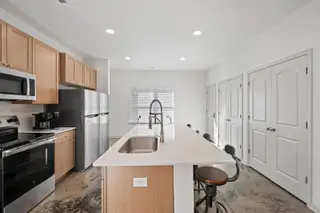
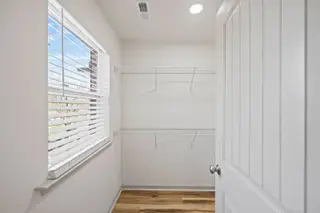
Room-by-room evidence
Capture a wide view, then specific fixtures and defects. Label the room, item, severity, and recommended action. Preserve originals.
Test smoke and carbon-monoxide alarms where applicable, visible leaks, water flow, locks, windows, appliances, HVAC observations, and trip or electrical hazards.

From finding to action
Classify each finding as emergency, repair, preventive maintenance, resident follow-up, monitoring, or normal turnover. Assign an owner and due date.
A score is useful only if it points to the underlying evidence and action.
Close the loop
Convert work into tickets, attach completion proof, and update the resident when appropriate. At move-out, compare against baseline before considering charges.
Review recurring findings across properties; repeated leaks or alarm failures are a system problem, not isolated checkboxes.
Turn inspection evidence into portfolio intelligence
Standard labels make findings comparable. Use consistent asset names, condition levels, priorities, and cause categories so you can see patterns across units. Free-form notes still matter, but a report made entirely of prose is difficult to aggregate and easy to forget.
Review open findings until they are resolved, accepted as monitored risk, or included in a capital plan. Watch for the same component failing across properties, repeated moisture, overdue safety work, and items that reappear after being marked complete. The inspection is finished only when its consequences have owners and dates.
- Open safety findings
- Findings converted to work orders
- Repeat issue rate
- Average age of unresolved findings
- Planned replacements identified

Put the process into operation
Turn the guidance into a named workflow with a trigger, accountable owner, required evidence, target time, exception path, and definition of done. Store the checklist where the work happens; a policy document nobody sees during the task will not create consistency.
Pilot the workflow on one property or one cycle, review what was unclear, and update the template before wider rollout. Then schedule a monthly exception review so the system improves from real late, missing, disputed, or reopened work instead of relying on memory.
- Use a consistent template and photo order.
- Inspect systems, not just surfaces.
- Never let findings die inside a PDF.
- Respect lease and jurisdiction entry rules.
Common questions
How often should landlords inspect?
Can inspection photos support deposit deductions?
Rental language, explained
Every term linked above, with a plain-English definition and a practical property-management example.
Browse the full property management glossarySources and methodology
Written to help independent landlords make an operational decision. Legal and tax topics are educational, not professional advice. Comparison claims use public vendor information; we do not invent hands-on testing.